
Comparison: Popular DIY Security Kits on the Market Today
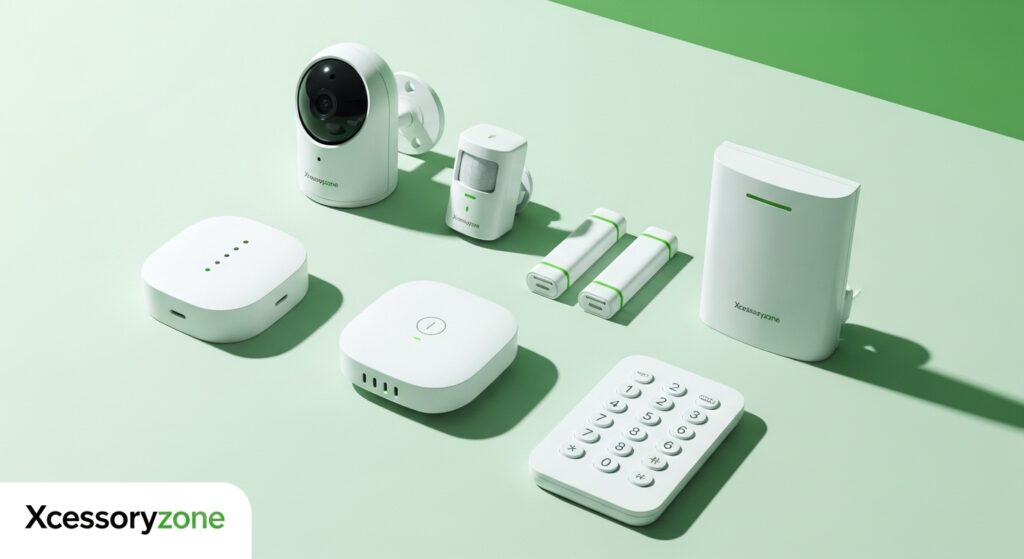
DIY security systems weren’t always taken seriously. A few years ago, most people assumed real security meant professional installers, long contracts, and high monthly fees. That’s changed. Today, DIY security kits are not only common; they’re often the first choice for homeowners and small business owners who want control without complexity.
If you’ve been comparing options and feeling overwhelmed, you’re not alone. Below is a realistic look at some of the most popular DIY security kits available today—what they do well, where they fall short, and who they actually make sense for.
Table of Contents
Why DIY Security Kits Are So Popular Right Now
One big reason people switch to DIY systems is flexibility. You’re not locked into long contracts, and you don’t need to schedule installers just to add a sensor.
Most modern DIY kits offer:
- Quick setup without professional help
- Mobile apps that actually make sense
- Optional monitoring instead of mandatory fees
- Systems that grow as your needs change
For apartments, small homes, shops, and offices, that flexibility matters.
What You Should Pay Attention To (Not the Marketing)
When shopping for a DIY security kit, it’s easy to get distracted by buzzwords. Instead, focus on how the system fits into daily life.
Ask yourself:
- Will notifications be useful or annoying?
- Can I expand the system later?
- Does the app feel easy or confusing?
- Is monitoring optional or locked behind a contract?
These details make a bigger difference than flashy feature lists.
A Closer Look at Popular DIY Security Kits
Ring Alarm Security Kit
Ring is often the first name people recognize, especially if they already use a Ring doorbell. Setup is straightforward, and everything connects smoothly through the app.
It’s a good choice if you like smart home features and want something that works out of the box. That said, many users eventually subscribe for extra features, which adds to the long-term cost.
Good fit for: homes already using Alexa or Ring devices.
SimpliSafe Security System
SimpliSafe focuses on doing the basics well. Sensors are responsive, installation is simple, and the system doesn’t overwhelm you with settings.
A lot of people choose SimpliSafe because there’s no pressure to sign contracts. You can use it on your terms and add professional monitoring only if you want it.
Good fit for: People who want straightforward protection without long commitments.
Arlo Pro Systems
Arlo stands out for video quality. If cameras are your main priority, Arlo delivers sharp images and strong night vision.
However, Arlo systems tend to cost more, and some features require a subscription. It’s less about alarms and more about visual monitoring.
Good fit for: Users who care most about camera clarity and wireless placement.
Wyze Home Security Starter Kit
Wyze has built a reputation by keeping prices low. This kit isn’t fancy, but it works. Sensors are basic, the app is simple, and expansion is affordable.
It’s not designed to compete with premium systems, but for small spaces or light security needs, it gets the job done.
Good fit for: budget-conscious users or small apartments.
How These DIY Kits Compare in Real Use
Instead of specs, here’s how they feel in everyday use:
- Ring: Polished, smart-home focused, but pushes subscriptions
- SimpliSafe: Reliable, calm, and easy to live with
- Arlo: Excellent visuals, fewer alarm-focused features
- Wyze: Basic but surprisingly capable for the price
No system is perfect. Each one trades something—price, features, or flexibility.
Tips Before You Install Any DIY Security Kit
A few practical tips that help avoid frustration:
- Place sensors where people actually enter, not where the manual suggests.
- Test notifications before relying on them.
- Don’t overload your app with alerts.
- Check Wi-Fi strength where cameras will be installed.
Small adjustments early make a big difference later.
Final Thoughts
DIY security kits aren’t about replacing professional systems. They’re about giving people options. For many homes and small businesses, they offer enough protection without the cost or commitment of traditional setups.
The best DIY security kit is the one you’ll actually use, understand, and maintain. Start simple, learn what works for your space, and expand only when needed.